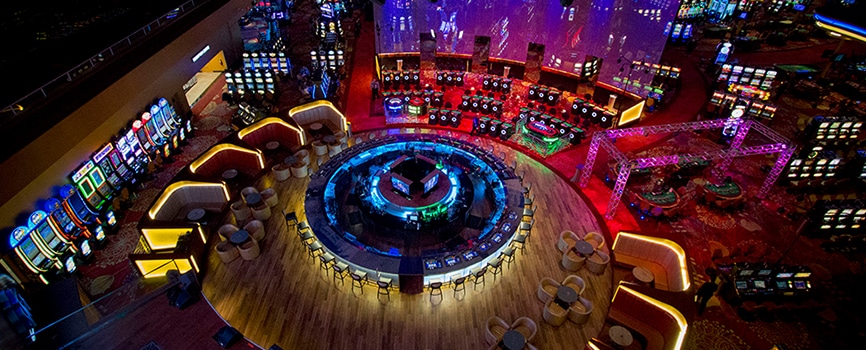
- Elegant interiors and play regal bring timeless sophistication to your home
- The Psychology of Regal Interiors
- Understanding Color & Texture
- The Role of Lighting
- Creating Ambiance with Lamps & Sconces
- Integrating Antique & Vintage Pieces
- Sourcing & Restoration
- The Art of Display & Accessorizing
- Beyond Aesthetics: Creating a Lasting Impression
Elegant interiors and play regal bring timeless sophistication to your home
The pursuit of a sophisticated home often leads us to explore design elements that transcend fleeting trends. A timeless aesthetic, one that speaks to enduring quality and refined taste, is increasingly sought after by homeowners. Achieving this isn't simply about acquiring expensive furnishings; it’s about carefully curating an atmosphere that feels both luxurious and inviting. Elements like velvet textures, rich color palettes, and strategically placed statement pieces all contribute to this ambiance. Sometimes, the key lies in embracing a certain playful elegance, a sense of joyful formality that allows one to truly play regal within the comfort of their own dwelling.
This concept of bringing regal qualities into a home isn't necessarily about recreating historical palaces or adhering to strict period styles. Instead, it’s about borrowing the principles of grandeur – proportion, balance, and opulent detail – and adapting them to contemporary living. It’s about incorporating a touch of drama, a hint of extravagance, and an unwavering commitment to quality. This approach allows for personalization and individuality, ensuring that the space reflects the homeowner’s personality while maintaining a consistently high level of style. The integration of such nuances can transform an ordinary space into one of exceptional charm and distinction.
The Psychology of Regal Interiors
The feeling of entering a truly “regal” space is often tied to deeply rooted psychological responses. Historically, qualities associated with royalty – spaciousness, height, rich materials – were indicative of power and security. Our subconscious still responds to these cues, associating them with comfort, safety, and a sense of well-being. This explains why high ceilings, expansive windows, and the use of natural light are so prevalent in designs aiming for a luxurious feel. These elements aren’t merely aesthetic choices; they’re fundamental to creating a space that feels inherently grand and impressive. The balance between formality and comfort is paramount; while a truly regal space aims for an air of sophistication, it shouldn’t feel unapproachable or cold. Carefully chosen textures and warm lighting can soften the overall effect, inviting relaxation and enjoyment.
Understanding Color & Texture
Color plays a critical role in establishing a regal atmosphere. Deep jewel tones – sapphire blue, emerald green, ruby red, and amethyst purple – are all classic choices, evoking a sense of opulence and luxury. However, a monochromatic palette of creams, golds, and silvers can also be incredibly effective, particularly when layered with a variety of textures. Velvet, silk, and brocade are all materials traditionally associated with royalty and can instantly elevate a space. These textiles not only add visual richness but also contribute to a tactile experience, inviting touch and creating a sense of indulgence. Strategic use of metallic accents – gold leaf, polished brass, silver plating – can further enhance the sense of grandeur and sophistication.
| Deep Jewel Tones | Opulence, Luxury, Drama |
| Cream/Gold/Silver | Refined Elegance, Warmth |
| Navy Blue | Authority, Stability, Sophistication |
| Burgundy | Richness, Passion, Comfort |
The arrangement of furniture is also crucial. Symmetry is often employed in regal designs to create a sense of balance and harmony. Matching pairs of chairs, flanking a fireplace or console table, are a classic example. However, a rigid adherence to symmetry can feel overly formal; incorporating a few carefully placed asymmetrical elements can add a touch of personality and prevent the space from feeling stale. The key is to strike a balance between order and spontaneity, creating a space that feels both sophisticated and inviting.
The Role of Lighting
Lighting is often underestimated, but it's arguably one of the most impactful elements in any interior design scheme, especially when striving for a regal aesthetic. Harsh, overly bright lighting can instantly detract from a sense of luxury, while soft, diffused lighting can create a warm and inviting atmosphere. Chandeliers, with their inherent grandeur and sparkle, are a natural choice for adding a touch of opulence. However, they don't have to be overly ornate or ostentatious; a simple, elegant chandelier can be just as effective. Layering light sources is essential – combining ambient lighting (from chandeliers and recessed lights) with task lighting (for reading or working) and accent lighting (to highlight artwork or architectural features) creates a more dynamic and nuanced space.
Creating Ambiance with Lamps & Sconces
Beyond chandeliers, lamps and sconces can also play a significant role in establishing a regal atmosphere. Table lamps with ornate bases and silk shades can add a touch of sophistication to side tables and consoles. Sconces, strategically placed along hallways or walls, can provide a soft, ambient glow and highlight architectural details. Dimmer switches are a must-have for any regal interior, allowing you to adjust the lighting levels to suit the mood and occasion. Warm-toned light bulbs are generally preferred, as they create a more inviting and flattering atmosphere than cool-toned bulbs. Consider using antique or vintage lighting fixtures to add a sense of history and character to the space.
- Choose chandeliers with warm-toned light.
- Incorporate table lamps with silk shades.
- Utilize sconces to highlight architectural features.
- Install dimmer switches for adjustable lighting.
- Select vintage or antique lighting fixtures.
The interplay of light and shadow is key to creating depth and dimension in a regal interior. By carefully controlling the lighting, you can emphasize architectural features, highlight artwork, and create a sense of drama and intrigue. Remember that the goal is not simply to illuminate the space, but to create an atmosphere that feels luxurious, inviting, and effortlessly elegant. A well-lit space can appear larger, more open, and more inviting, enhancing the overall sense of grandeur.
Integrating Antique & Vintage Pieces
No discussion of regal interiors would be complete without addressing the role of antique and vintage pieces. These items bring a sense of history, character, and authenticity that simply can’t be replicated with modern reproductions. A beautifully preserved antique chest of drawers, a vintage chandelier, or a set of antique armchairs can all serve as focal points in a room, adding a touch of timeless elegance. However, integrating antiques successfully requires a delicate touch. It’s important to avoid creating a space that feels cluttered or overly fussy. The key is to select a few key pieces that complement the overall design scheme and allow them to shine.
Sourcing & Restoration
Sourcing antiques and vintage pieces can be a rewarding but time-consuming process. Antique shops, auction houses, and online marketplaces are all good places to start. When evaluating potential purchases, pay close attention to the condition of the item. Minor imperfections can add character, but significant damage should be avoided unless you’re willing to invest in restoration. Restoration can be a costly and time-consuming process, but it can also breathe new life into a treasured piece. Consider working with a professional restorer who specializes in antique furniture or lighting. A skilled restorer can repair damage, refinish surfaces, and ensure that the piece is structurally sound. Remember that the goal of restoration is not to make the piece look brand new, but to preserve its original character and integrity.
- Research reputable antique dealers.
- Inspect items carefully for damage.
- Consider professional restoration.
- Focus on quality craftsmanship.
- Choose pieces that complement your style.
Don’t be afraid to mix antiques with modern pieces. The juxtaposition of old and new can create a dynamic and visually interesting space. For example, a sleek, contemporary sofa paired with an antique coffee table can create a striking contrast. The key is to find pieces that share a common aesthetic – similar colors, textures, or styles – to ensure that they harmonise well together. Thoughtful placement and a cohesive design scheme are essential for successfully integrating antique and vintage pieces into a modern interior.
The Art of Display & Accessorizing
Even the most beautifully furnished room can fall flat without thoughtful display and accessorizing. Accessories are the finishing touches that add personality, warmth, and a sense of lived-in luxury. Artwork, sculptures, decorative objects, and textiles can all be used to enhance the overall aesthetic. When selecting accessories, focus on quality over quantity. A few carefully chosen pieces are far more impactful than a cluttered collection. Take the time to curate a collection that reflects your personal taste and complements the overall design scheme.
Beyond Aesthetics: Creating a Lasting Impression
While the visual aspects of a regal interior are undoubtedly important, creating a truly lasting impression goes beyond mere aesthetics. It's about cultivating a sense of atmosphere and experience. Consider the sensory elements – the scent of fresh flowers, the soft feel of luxurious fabrics, the gentle glow of candlelight. These subtle details can elevate the space, transforming it from simply beautiful to truly memorable. Think about how the space will be used and how it can be tailored to enhance everyday life. A beautifully appointed dining room invites convivial gatherings, while a cozy library encourages quiet contemplation. Ultimately, the goal is to create a home that is not only visually stunning but also deeply personal and inviting, a place where you can truly relish the finer things in life and play regal within your surroundings. It’s about crafting a sanctuary where comfort and elegance coexist harmoniously, fostering a sense of well-being and lasting enjoyment.
Indeed, the principles underpinning a regal design aren’t solely for grand estates. A smaller apartment can exhibit similar grace through intelligent application of colour, layering of textures, and careful curation of furnishings. An example could be a compact sitting room centered around an ornate mirror, reflecting light and creating an illusion of space. This thoughtful approach, combined with rich fabrics and a subdued colour palette, can transform a modest area into a haven of refined comfort. The skill lies in adaptation and personalization, allowing the essence of regal beauty to flourish within any setting.